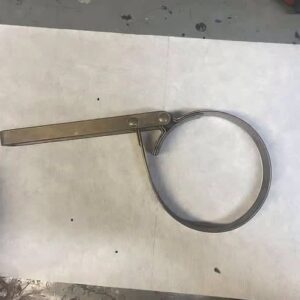
The can opener key, a small piece of twisted metal, is a nostalgic artifact from a past kitchen era that once held a critical status in every home.
In the late 1800s, canned food was booming but incredibly difficult to open, leading people to dangerously use pocket knives and chisels until the key was invented.
This simple metal tool revolutionized food access, allowing households to open canned goods safely and efficiently without electricity, motors, or heavy equipment.
To use it, a person would hook the key onto the metal lid and turn it, gradually peeling the top back like a modern sardine tin.
Operating the key became a satisfying household ritual that required a bit of patience, physical effort, and a touch of manual skill.
By providing easy access to preserved fruits, meats, and vegetables, this small tool successfully helped bring canned food into the mainstream.
During challenging periods like the Great Depression and World Wars, the can opener key became a vital lifeline for families stretching meals and soldiers opening battlefield rations.
For those who grew up using it, the tool evokes a fond nostalgia for a slower era when preparing a meal required effort and everyday gadgets possessed unique character.
By the mid-20th century, the trusty key began to fade into the background with the rapid rise of electric openers, push-button models, and flip-top cans.
Though overshadowed by faster, modern convenience technology, the humble can opener key remains a timeless symbol of early industrial ingenuity and resilience.