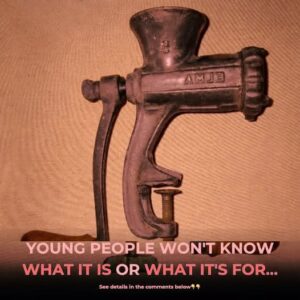
An antique horse drencher is a meaningful family heirloom that highlights the history of animal care and early veterinary science.
Treating equine colic—abdominal pain often caused by intestinal blockages—required administering large quantities of thick lubricants or laxatives to heavy animals.
The brass bit forced the horse’s jaw open by applying gentle pressure to the gums between the teeth.
Positioned over the tongue, the brass funnel allowed handlers to direct thick oils to the back of the throat with minimal mess.
Attaching a rope to tilt the horse’s head upward used gravity to pull medicine into the esophagus and triggered an automatic swallowing reflex.
Elevating the head prevented the horse from inhaling heavy fluids into its lungs, avoiding fatal aspiration pneumonia.
By the late 20th century, veterinarians replaced brass bits with flexible nasogastric tubes that deliver fluids directly to the stomach.
Passed down through generations, this heavy brass tool represents a family’s shared love for horses and historical equestrian care.
Preserving antique brass involves wiping it with a dry microfiber cloth to protect its natural patina rather than polishing it completely.
Conditioning old leather straps prevents cracking, ensuring this historic veterinary tool remains a preserved conversation piece for years to come.