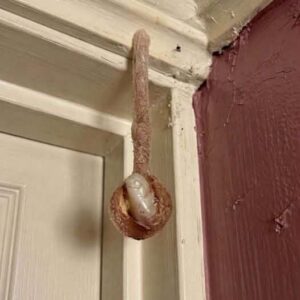
Imagine walking into your basement, only to catch a glimpse of a creature that seems to have crawled straight out of a science fiction movie. With an unsettling number of legs and lengthy antennae, this arthropod darts across the floor, leaving you both startled and intrigued.
This creature is almost certainly a house centipede, scientifically known as *Scutigera coleoptrata*. Characterized by an elongated, yellowish-gray body with three dark stripes running along its back, it features 15 pairs of long, delicate legs that give it a distinctly fringed appearance.
These legs enable the centipede to reach startling speeds of up to 1.3 feet per second, making it seem to appear and disappear in the blink of an eye. Their whip-like antennae act as sensory organs, allowing them to efficiently detect vibrations and navigate through dark spaces.
While the house centipede’s eerie silhouette and rapid movements are enough to send shivers down your spine, these creatures are generally harmless to humans and pets. They do possess venom to subdue their prey, but their jaws are not strong enough to easily penetrate human skin.
On the rare occasion that a bite does occur, it is comparable to a mild bee sting, resulting in temporary redness and slight swelling that rarely requires medical attention. They are entirely non-aggressive and far more interested in avoiding contact with larger creatures than engaging with them.
In fact, there is a surprising upside to having these unexpected housemates. House centipedes are highly effective natural pest controllers, acting as beneficial allies by feeding on a variety of troublesome household insects, including spiders, termites, cockroaches, and silverfish.
They are naturally drawn to basements, bathrooms, and closets because these dark, damp, and undisturbed spaces provide high humidity levels that support both the centipedes and the prey they hunt at night. By keeping these populations in check, they help maintain a balanced indoor ecosystem.
If you are uncomfortable coexisting with a house centipede, you can humanely remove it without direct contact. Simply trap it under a glass jar, slide a sturdy piece of paper underneath to secure it, and release it safely outdoors away from your home.
To make your home less attractive to them in the future, focus on reducing indoor humidity by running a dehumidifier in damp areas. You should also seal cracks and crevices in your walls and floors to limit entry points, and regularly clean up clutter to eliminate hiding spots.
While a significant, persistent infestation might require a call to a professional pest control expert, most encounters can be managed easily on your own. Understanding their role as predators can help transform your initial fear into an appreciation for the hidden world beneath your floors.