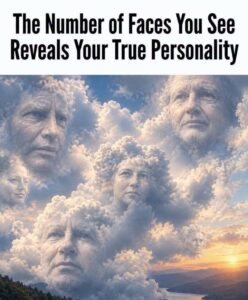
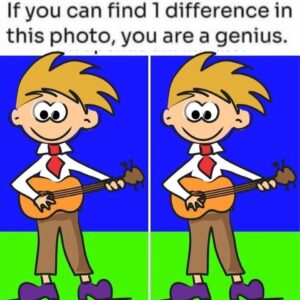
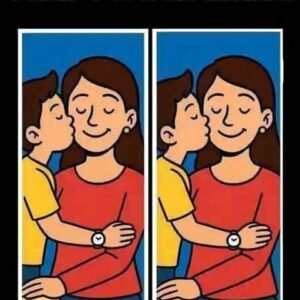
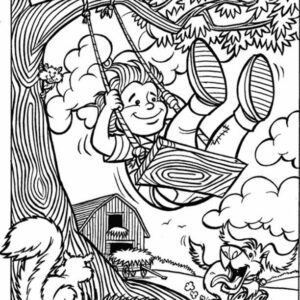
Looking for hidden faces in cloud-like images can quickly become a surprisingly engaging visual challenge, with the number of faces someone notices turned into a playful way to think about how they observe the world. The images rely on optical illusion, inviting human brains to scan random, cloud-like shapes for familiar patterns such as faces or animals. In one described approach, the total of hidden faces a viewer identifies is presented as a loose hint about their usual way of seeing things, drawing a connection between lower or higher counts and different observational styles. Finding between 1 and 6 faces is linked with a more practical, big-picture focus, or with a flexible balance between taking in the whole scene and then zooming in on specific elements when needed.
Noticing 7 or more faces in the same kind of visual puzzle is instead associated with especially strong visual attentiveness and curiosity, along with an active, creative imagination that quickly picks up subtle or overlapping shapes. In this framing, the same cloud illusion turns into a lighthearted tool for thinking about how deeply people explore what they see and what details they are drawn to first. At the same time, the description clearly stresses that these hidden-face tests are meant as entertaining exercises rather than scientifically validated personality measures, and that any conclusions about outlook or mindset should be treated as fun interpretations instead of rigorous psychological assessments…